

Are you passionate about music and audio production? Do you dream of turning your passion into a profitable business? With the advancements in technology, it's now easier than ever to set up a home recording studio and start earning money. In this article, we will discuss how to make money with a home recording studio.
A home recording studio is a place where music and audio productions are created, edited, and mixed. It can be a spare bedroom, a basement, or a garage that has been converted into a studio. Having a home recording studio has many benefits, including:
- Convenience: You can work on your projects at any time that suits you.
- Cost-effective: You save money on rent and other expenses associated with a commercial studio.
- Creative freedom: You have complete control over your workspace and equipment.
Now that we've covered the basics, let's dive into setting up your home recording studio.
Part 1: Setting Up Your Home Recording Studio
Choosing the Right Space for Your Studio
When choosing a space for your studio, you want to consider factors such as size, location, and sound quality. Ideally, you want a room that is big enough to accommodate your equipment and provides enough space for you to move around comfortably. It should also be located in an area that is quiet and away from external noise sources.
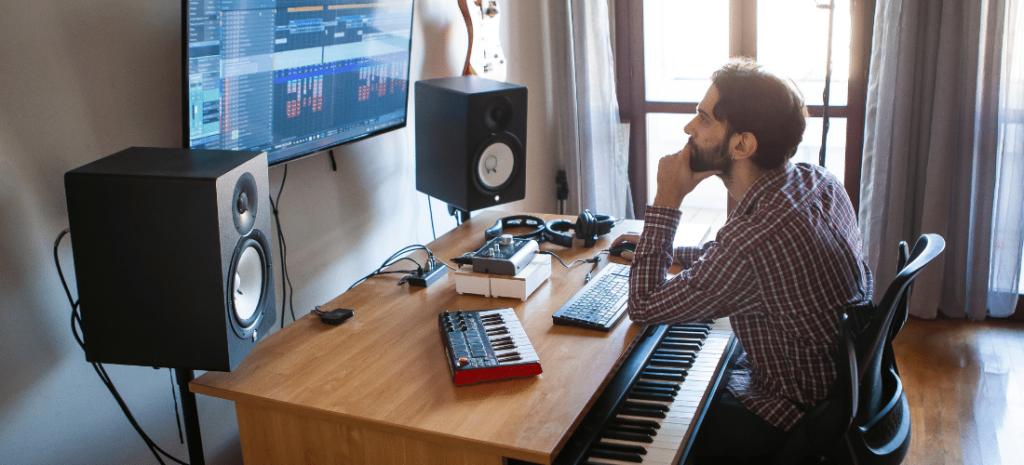
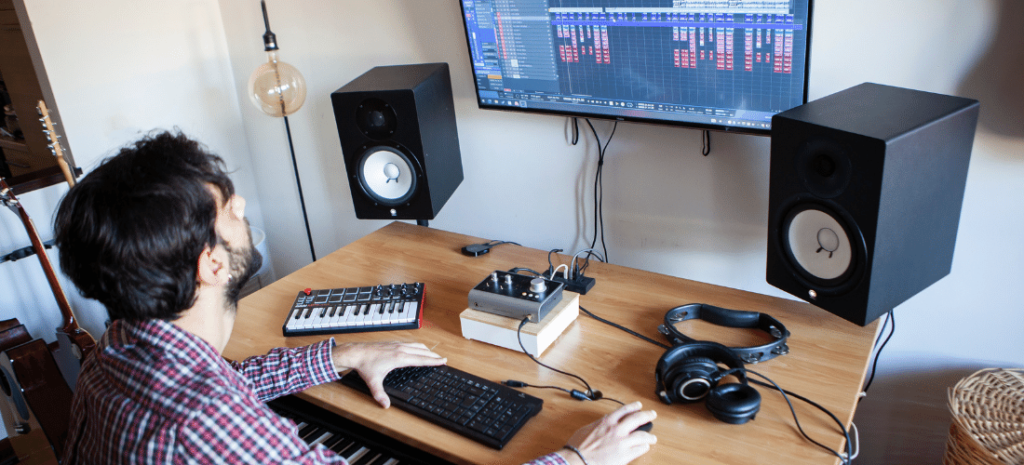
Essential Equipment and Software for Your Studio
The equipment and software you need for your home recording studio will depend on the type of projects you plan to work on. However, there are some essentials that every studio should have:
- Computer: A powerful computer is the backbone of any home recording studio. It should have enough processing power, RAM, and storage to handle your audio projects.
- Digital Audio Workstation (DAW): A DAW is software used for recording, editing, and mixing audio. There are many options available, including industry standards such as Pro Tools, Logic Pro, and Ableton Live.
- Audio Interface: An audio interface is a device that connects your computer to your studio monitors, microphones, and other equipment. It converts analog signals to digital and vice versa.
- Studio Monitors: Studio monitors are speakers designed for accurate sound reproduction. They are essential for monitoring your mix and making sure it sounds good on different playback systems.
- Microphones: Microphones are used for recording vocals, instruments, and other sounds. There are many types available, including condenser, dynamic, and ribbon microphones.
- Cables: You'll need cables to connect your equipment, including XLR and TRS cables.
Tips for Acoustics and Soundproofing
Acoustics and soundproofing are important considerations for any home recording studio. You want to create a space that sounds good and is free from external noise. Some tips for improving acoustics and soundproofing include:
- Treating your room with acoustic panels or foam to absorb sound reflections.
- Using bass traps to control low-frequency sound waves.
- Sealing gaps and cracks to prevent sound leakage.
- Using a double-layered drywall with Green Glue to soundproof your walls.
Creating a Comfortable and Creative Environment
Finally, you want to create a comfortable and creative environment in your home recording studio. This means investing in comfortable furniture, good lighting, and decor that inspires you. You can also add personal touches, such as posters or artwork, to make the space feel more like your own.
Part 2: Home Recording Studio Services You Can Offer
In this section, we'll explore different services you can offer with your home recording studio.
Recording and Producing Music for Clients
Recording and producing music for clients is a great way to make money with your home recording studio. As a music producer, you'll be responsible for helping clients create and refine their musical ideas, recording and mixing the tracks, and delivering a final product that meets their expectations.
When you offer music production services, it's important to establish clear communication with your clients from the beginning. Make sure you understand their musical goals and preferences, and set realistic expectations for the project timeline and budget.
Voice-Over Work for Commercials, Films, and Audiobooks
Voice-over work is another lucrative service you can offer with your home recording studio. As a voice-over artist, you'll use your voice to narrate commercials, films, audiobooks, and other types of media.
To get started with voice-over work, you'll need a high-quality microphone, a pop filter, and a recording space that's acoustically treated to minimize unwanted noise and reflections. When you offer voice-over services, it's important to showcase your vocal range and versatility. You should also be able to take direction and deliver recordings that match the client's needs and expectations.
Podcast Production and Editing
Podcasting has exploded in popularity in recent years, and it's a great way to leverage your home recording studio for profit. As a podcast producer, you'll be responsible for recording and editing episodes, creating intros and outros, and adding music and sound effects to enhance the listening experience.
When you offer podcast production services, it's important to understand the client's niche and target audience. You should also be able to deliver high-quality audio that's engaging and entertaining.
Sound Design for Video Games and Films
Sound design is a critical element in video games and films, and it can make or break the immersive experience for the audience. As a sound designer, you'll create and manipulate audio elements like sound effects, dialogue, and music to enhance the emotional impact of the visuals.
To get started with sound design, you'll need a diverse library of sound effects and music samples. When you offer sound design services, it's important to collaborate closely with the client and other members of the production team. You should also be able to adapt your style and approach to fit the project's tone and style.
Audio Restoration and Transfer Services
Audio restoration and transfer services are in high demand, especially among vintage audio enthusiasts and archivists. As an audio restoration specialist, you'll use tools like noise reduction, equalization, and digital processing to enhance and repair old or damaged recordings.
To get started with audio restoration, you'll need a good set of plugins and software tools that can help you reduce noise, repair clicks and pops, and restore damaged audio. One of the most popular plugins for audio restoration is iZotope RX, which is a powerful suite of tools designed for repairing and enhancing audio. The software includes a range of features such as noise reduction, de-click, de-hum, and de-clip modules, which can help you restore audio files to their original quality.
Part 3: Finding Recording Studio Clients
When it comes to making money with a home recording studio, finding clients is a crucial step. Without clients, your studio will simply be an expensive hobby. So, how do you find clients?
Creating a Portfolio and Demo Reel
Before you can attract clients, you need to showcase your skills and the quality of your work. A great way to do this is by creating a portfolio and demo reel. Your portfolio should showcase your best work, while your demo reel should provide a quick overview of your skills and capabilities.
Make sure to include a variety of projects in your portfolio, such as music production, voice-over work, podcast production, and sound design. This will help potential clients see the range of services you can offer.
Building a Website and Social Media Presence
In today's digital age, having a website and social media presence is essential for any business, including a home recording studio. Your website should be clean, professional, and easy to navigate. It should include information about your services, pricing, and contact information.
Your social media presence should be equally professional. Use platforms like Instagram, Facebook, and Twitter to showcase your work, share industry news, and connect with other professionals.
Networking with Other Professionals in the Industry
Networking is an essential part of any industry, and the music and audio industry is no exception. Attend industry events, join online groups, and connect with other professionals in the field. This can help you find new clients, learn about new trends and techniques, and build relationships that can lead to future collaborations.
Offering Promotions and Discounts to Attract Clients
In the beginning, it can be challenging to attract clients, especially if you're just starting out. To help jumpstart your business, consider offering promotions and discounts to new clients. This can include discounted rates for first-time clients, referral discounts, or package deals for multiple services.
Overall, finding clients for your home recording studio takes time and effort. But by showcasing your skills, building a professional online presence, networking with other professionals, and offering promotions, you can attract new clients and turn your home studio into a successful business.
Part 4: Pricing Your Home Studio Services
When it comes to pricing your services as a home recording studio professional, it can be challenging to determine the right rates. In this section, we'll discuss some factors to consider when pricing your services, different pricing models you can use, and how to determine your worth and value as a professional.
Factors to Consider When Pricing Your Services
Before you start pricing your services, it's important to take into account several factors. These factors can influence your rates, and understanding them will help you determine fair pricing for your clients. Here are a few things to keep in mind:
- Your experience and expertise: If you have years of experience in the industry or have won awards for your work, you can charge a higher rate.
- The complexity of the project: More complicated projects may require more time and effort on your part, which should be reflected in the price.
- Your location: Rates may vary depending on where you live and work. In some areas, rates may be higher due to a higher cost of living.
- The demand for your services: If there's high demand for your services, you can charge a higher rate. Conversely, if there's low demand, you may need to adjust your rates to remain competitive.
Different Pricing Models
There are a few different pricing models you can use when setting your rates. Here are some common ones:
- Hourly rate: You charge a set amount per hour of work. This model is useful for projects where the amount of time required is uncertain.
- Per project: You charge a flat fee for the entire project. This model works well for projects with a set scope of work.
- Retainer: The client pays a set amount upfront for a set number of hours or services. This model provides you with a guaranteed income stream.
Determining Your Worth and Value as a Professional
Ultimately, the most important factor in determining your rates is your worth and value as a professional. Consider your experience, education, and skills when deciding on your rates. Don't undersell yourself or your abilities, but also don't price yourself out of the market.
Remember, pricing your services is not just about making money. It's also about valuing your time, expertise, and the value you bring to your clients. By finding the right balance between fair compensation and affordable rates, you can attract clients and build a successful home recording studio business.
Part 5: Growing Your Home Recording Studio Business
Now it's time to take your business to the next level and continue to grow. In this section, we'll discuss some strategies for expanding your services and creating passive income streams.
Expanding Your Services and Offerings
One way to grow your business is to expand your services and offerings. This can include adding new services, such as mixing and mastering, or expanding your client base to include different types of artists, such as podcasters or voice-over actors. As you expand your services, make sure to continue providing high-quality work and excellent customer service to keep your clients coming back and referring you to others.
Hiring Employees or Freelancers to Help with Workload
As your business grows, you may find that you're unable to handle all of the work yourself. In this case, it may be time to consider hiring employees or freelancers to help with the workload. This can free up your time to focus on other areas of your business, such as marketing or expanding your services. Make sure to carefully vet any potential hires and establish clear expectations and boundaries to ensure a successful working relationship.
Creating Passive Income Streams through Online Courses and Tutorials
Creating online courses and tutorials is a great way to create passive income streams while also sharing your expertise and knowledge with others. You can create courses on a variety of topics, such as recording techniques or software tutorials, and sell them on your website or through online marketplaces like Udemy or Skillshare. Make sure to promote your courses through social media and other marketing channels to reach a wider audience.
Collaborating with Other Artists and Musicians
Collaborating with other artists and musicians can be a great way to expand your network and grow your business. You can collaborate on projects, such as recording and producing music or creating sound design for films or video games. This can also lead to new opportunities and exposure for your business. Make sure to choose collaborators who share your vision and work ethic to ensure a successful partnership.
In conclusion, growing your home recording studio business requires hard work and dedication, but it's worth it to create a successful and fulfilling career doing what you love. Keep learning, expanding your skills and services, and building relationships with clients and other professionals in the industry to continue growing your business.

Part 6: Home Studio Challenges and Solutions
No matter how successful your home recording studio business may be, there will always be challenges that arise. However, with the right mindset and strategies, you can overcome these challenges and continue to grow your business.
Dealing with Difficult Clients and Situations
One of the biggest challenges that many recording professionals face is dealing with difficult clients and situations. This can range from clients who are extremely picky and demanding, to situations where technical issues or unexpected obstacles arise.
The key to successfully navigating difficult situations is to maintain a positive attitude and communicate clearly with your clients. Try to understand their concerns and address them as best as you can. If you're unable to meet their demands, be transparent and let them know why.
It's also important to set clear expectations and boundaries from the beginning. Make sure your clients understand your policies and procedures, and don't be afraid to enforce them if necessary.
Finding Motivation and Staying Creative
Working in the same space every day can sometimes lead to a lack of motivation and creativity. To combat this, try to switch things up from time to time. This could mean rearranging your studio, taking breaks and going for walks, or even working on different types of projects.
Another effective strategy is to collaborate with other artists and musicians. This not only brings fresh ideas and perspectives to your work, but it also helps build relationships and connections within the industry.
Balancing Work and Personal Life
Running a home recording studio business can be all-consuming, making it difficult to maintain a healthy work-life balance. To prevent burnout and maintain your well-being, it's important to set boundaries and prioritize self-care.
Create a schedule and stick to it as best as you can. This includes setting aside time for family and friends, hobbies and interests, and relaxation. It's also important to take breaks throughout the day to avoid fatigue and stay energized.
Overcoming Technical Difficulties and Setbacks
Technical difficulties and setbacks are inevitable in any industry, but they can be particularly frustrating in the world of audio recording. To overcome these challenges, it's important to have a strong technical understanding and troubleshooting skills.
Stay up to date with the latest software updates and equipment, and invest in high-quality gear that's built to last. Additionally, don't be afraid to reach out to other professionals or online communities for help and advice.
In conclusion, while running a home recording studio business can present its fair share of challenges, it's also an incredibly rewarding and fulfilling career. With dedication, hard work, and the right strategies in place, you can overcome any obstacles and continue to grow your business.
Conclusion
You've made it to the end of this comprehensive guide on how to turn your home recording studio into a profitable business. Let's recap some of the key points we've covered throughout this article.
Recap of Key Points
- Building a home recording studio requires a combination of technical knowledge, creativity, and patience.
- The industry is highly competitive, so it's important to differentiate yourself from other professionals and offer unique services.
- Creating a portfolio, building a website and social media presence, and networking with other professionals are all crucial steps to finding clients.
- Pricing your services requires careful consideration of various factors, including your experience level, the services you offer, and the local market.
- As your business grows, you may want to consider expanding your services, hiring employees or freelancers, creating passive income streams, and collaborating with other artists.
- Finally, challenges are inevitable in any business, but it's important to stay motivated, creative, and balanced in order to overcome them.
Encouragement to Pursue Your Passion
Starting a home recording studio business can be intimidating, but don't let fear hold you back from pursuing your passion. With the right mindset, skills, and resources, you can turn your home recording studio into a successful and fulfilling career. Remember, there will be ups and downs, but stay persistent and focus on your goals.
In conclusion, we hope this guide has provided you with valuable insights and practical tips on how to make money with a home recording studio. Good luck on your journey and happy recording!


