

Recording acoustic guitar is an art form that can be frustrating if you don’t have the right microphone at your disposal. The following list will highlight the best options when it comes to microphones for your acoustic guitar recording, with a variety of capabilities to suit your preferences.
8 Best Microphones for Acoustic Guitar - Under $500
Our 3 Top Picks
Best Overall
Shure SM81


- Sound comparable to tube microphones
- perfect for the fine details in the sound
- the great overall warmth and presence
Best Mid Price
Audio-Technica ATM450

- Wide dynamic range
- Low noise output
- Smooth & natural recordings
Best Cheap
Shure SM57
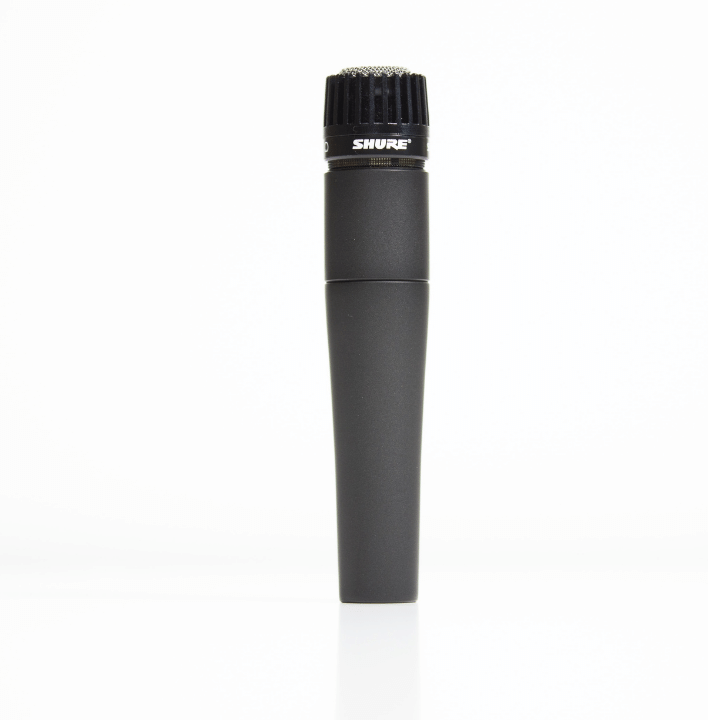
- Highly versatile
- The focused cardioid pickup pattern
- Extremely durable
8 Best Acoustic Guitar Microphones Under $500
1. Shure SM81
Best Microphone for Recording Acoustic Guitar
Compare Prices at:
Thomann | Amazon | Guitar Center
Topping our list we have the Shure SM81. This cardioid condenser microphone continues to please studio beginners and experts from around the world with its sound clarity that is comparable to premium tube microphones. This microphone is ideal for recording acoustic guitar in a studio or on stage.
Thanks to its impressively flat response curve, the SM81 has no trouble focusing on the warm mid-tones of an acoustic guitar. It can handle a lot of volume with a max SPL (sound pressure level) of 136dB (or 146dB with the built-in Pad engaged), so more aggressive styles of playing don’t pose any issues.
With a frequency response ranging from 20 Hz to 20 kHz, this microphone reproduces almost any sound source with a high level of accuracy. The cardioid polar pattern is coupled with a symmetric axis, providing enough rejection of off-axis sounds to make them unnoticeable.
The Pros
- Durable steel construction
- Cardioid polar pattern
- The flat response curve for maximum accuracy when recording
2. AKG C451

Compare Prices at:
Thomann | Amazon | Guitar Center
The original AKG C451 was released in 1969 and it’s become an industry standard for recording studios around the world since the 80s and 90s. AKG discontinued the original model and in 2001 released the C451 B.
The C451 B is sonically very similar to the original, with incredibly precise and accurate sound helping to preserve the transients in such instruments as acoustic guitars and cymbals. This microphone also has a high-pass filter and switchable pre-attenuation pad which further enhances the usefulness of this classic design.
The AKG C451 is quite a bright-sounding microphone, but this can be quite helpful when recording as it helps you to get more presence in the sound and helps it to cut through the other instruments in the track.
The Pros
- Accurate, bright sound
- Small & light-weight easy to position
3. Rode NT-1A

Compare Prices at:
Thomann | Amazon | Guitar Center
The Rode NT-1A by revered microphone manufacturers Rode is an outstanding condenser microphone perfect for picking up the finer details of an acoustic guitar. Another industry-standard mic, especially in home studios, the NT-1A uses a cardioid polar pattern to ensure maximum clarity.
One of the standout features of this Rode microphone is its 5dBA self-noise level. To put it simply, this makes the NT-1A one of the quietest microphones in production today.
This ability makes it ideal for capturing acoustic guitar, especially if you like to play finger-picked styles where the gain needs to be turned up. With the NT-1A, you can do so without worrying about unwanted hissing or noise creeping into your recording.
Rode has included what they call the “Complete Recording Solution” with the Rode NT-1A. With the microphone, you get a shock mount, pop filter, and dust cover. With a frequency range of 20Hz to 20kHz, this condenser mic is also great for recording vocals.
The Pros
- Externally biased true condenser microphone
- Brilliant clarity across the frequency range
- Ultra-low self-noise means you won’t get any unwanted sounds when recording
4. Aston Microphones Spirit

Compare Prices at:
Thomann | Amazon | Guitar Center
The Aston Microphones Spirit is a classy-looking condenser that features three switchable pattern options to suit your recording needs. This mic utilizes a gold evaporated capsule to ensure maximum quality when recording.
By flicking the built-in switch on the body of this microphone, you can toggle between Omni, Cardioid, or Figure-of-eight polar pattern settings. This flexibility is rare with condenser mics and is really beneficial when recording acoustic guitar as it allows you to tailor the focus of the microphone to suit what the song requires.
Where the Spirit really excels, however, is in its ability to deliver sparkling clarity and focus on the harmonics of an acoustic guitar. Recordings are highly accurate and natural sounding, with none of the harsh tones which can sometimes plague condenser microphones.
The Pros
- Features a built-in pop filter made from stainless steel mesh
- You get the option of Omni, cardioid, or figure of eight polar patterns with a built-in toggle switch
5. Rode NTK

Compare Prices at:
Thomann | Amazon | Guitar Center
Another quality option from Rode, the NTK is a premium valve condenser mic that provides impressive detail when recording an acoustic guitar. With a cardioid polar pattern and ultra-low noise capabilities, it is a great mic to add to your studio setup.
The Rode NTK’s highly sensitive transducer is complemented by specifically designed electronic circuitry. It has a built-in twin-triode 6922 valve which adds to the overall warmth of the microphone’s sound.
Not limited to acoustic guitar, the Rode NTK’s tube construction makes it suitable for also recording drum overheads, amplified guitars, and vocals or piano. It’s a highly versatile and reliable condenser that will do almost anything you need it to.
The Pros
- Ultra-low noise
- Versatile thanks to a wide dynamic range
- Hand-selected 6922 twin-triode valves provide ample warmth across the frequencies
6. Audio-Technica ATM450

Compare Prices at:
Thomann | Amazon | Guitar Center
The Audio-Technica ATM450 is a side-address condenser mic. The recordings it captures are full of smooth, natural warmth with plenty of detail highlighted in the mid and high tones.
The ATM450 is ideal for recording acoustic guitar thanks to its wide dynamic range and high-SPL handling ability. With low-noise circuitry, it will have no problems picking up the slight nuances and human aspects of your sound.
With its very durable housing, this Audio Technica ATM450 condenser microphone can handle the inevitable rigors of a recording studio. It also comes with a professional isolation clamp, which helps to provide secure and versatile positioning, as well as, reduce any unwanted noise from the microphone stand.
The Pros
- Low noise, wide dynamic range and high SPL capabilities
- Provides smooth, clear transients
- Picks up the fine details
7. Shure SM57
Cheapest Microphone for Recording Acoustic Guitar

Compare Prices at:
Thomann | Amazon | Guitar Center
The Shure’s SM57 is a legendary dynamic microphone that is hugely popular among sound engineers for live performances but also produces outstanding results in the recording studio too.
The SM57 is renowned for its durable construction and its ability to cope with high volumes of sound. The reason it’s so effective at capturing acoustic guitar is that it has a cardioid polar pattern which produces a sharp focus toward a singular sound source. Essentially, it magnifies the finer details of the guitar while limiting undesirable background noises.
Due to Shure originally constructing the SM57 as a microphone for live music, it is exceptionally versatile. Whether you play energetic folk guitar or prefer more intimate styles of playing, the SM57 will capture your performance with ample clarity and a sparkling brightness.
The well-shaped frequency response of the Shure SM57 provides you with balance across the complete tonal range of your acoustic guitar. It will have no problem picking up bass notes, warm mid-tones, and clear highs.
The Pros
- Built to withstand extensive usage with extremely durable construction
- Focused sound is captured thanks to the cardioid polar pattern, highlighting the finer details and minimizing background noise
- A multi-functional microphone that is well suited to acoustic guitar, drums, electric guitar, vocals, and more
8. Sennheiser MK4

Compare Prices at:
Thomann | Amazon | Guitar Center
The Sennheiser MK4 by audio gear legends Sennheiser is a true condenser microphone with a large diaphragm. With a 1-inch condenser capsule, the MK4 is an affordable, high-performance mic perfect for recording acoustic guitar.
With a frequency response of 20Hz – 20hKz, the MK4 has a relatively flat curve and therefore doesn’t interfere much with the natural harmonics of your acoustic guitar. It also has a slight roll-off at 110Hz and is boosted at 1.7 kHz.
Housed in durable metal, this Sennheiser MK4 mic is equally well suited to use in the studio or on the stage. With minimal self-noise and a high SPL maximum, it can record all styles of acoustic guitar playing.
The Pros
- Internally mounted capsule restricts structural noise
- Great for picking up the natural tones
Things to Consider When Buying an Acoustic Guitar Mic
I’m aware that choosing a microphone for the purpose of recording acoustic guitar can be a bit confusing. This is due to the terminology used to describe the individual characteristics and features of microphones. Therefore, the following section will highlight some of the main features you’ll come across in your search, and explain their functions.
Large Diaphragm Condenser
One of the most common terms you’ll come across when searching for the right condenser microphone to record acoustic guitar is large diaphragm. These microphones are renowned for their unrivaled versatility, capable of recording basically any instrument.
Large-diaphragm condenser mics have multiple pickup patterns and built-in pads which allow you to tailor their frequency focus to suit your recording. There is a variety of large diaphragm condensers out there, and some are better at handling the loud volumes of instruments like drums better than others.
Small Diaphragm Condenser
Small diaphragm condenser mics offer different qualities from their large diaphragm counterparts. They are ultra-responsive due to their lighter overall mass and make a brilliant choice for recording acoustic guitars thanks to their ability to focus on a singular sound source.
Often used as drum overhead microphones due to how well they can handle harsh transients and loud volume, small diaphragm condensers are very easy to position in the studio thanks to their pencil-like shape.
Microphone Polar Pattern
Another of the main factors which decide a microphone’s ability to record acoustic guitar is its polar pattern. Polar patterns indicate how sensitive the microphone is and influences the direction that it is able to pick up the sounds.
For example, microphones with cardioid polar patterns are best suited to hearing what happens directly in front of them. They, therefore, reject any sound from behind or to the side, producing focus on one instrument or voice.
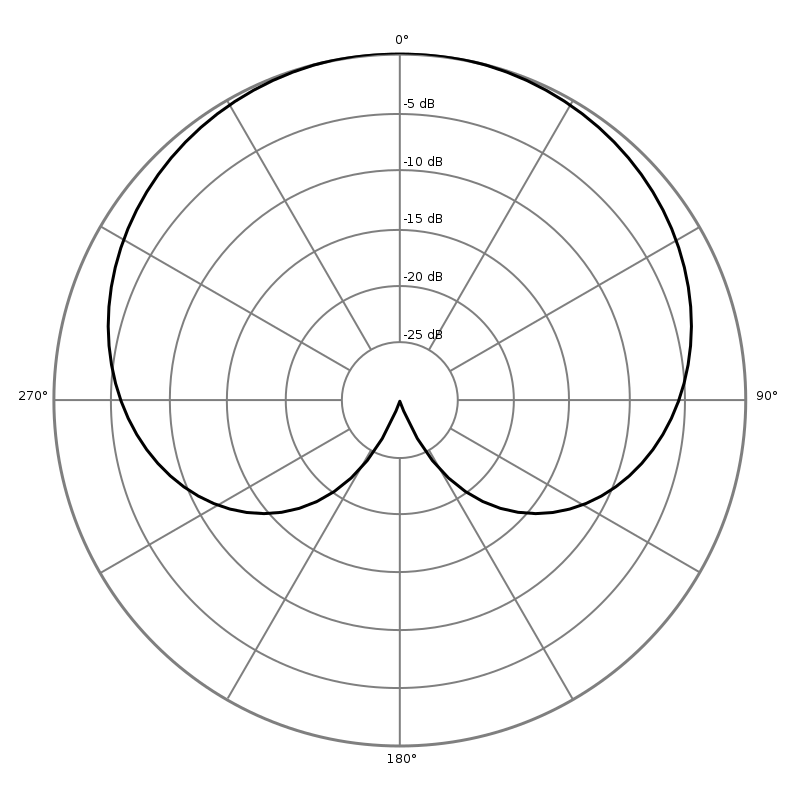
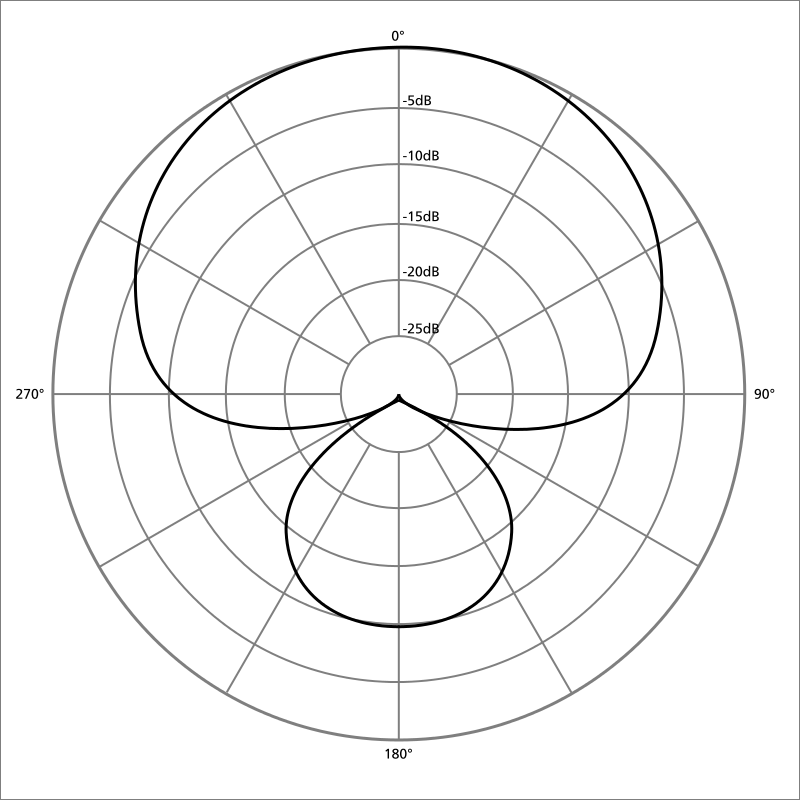

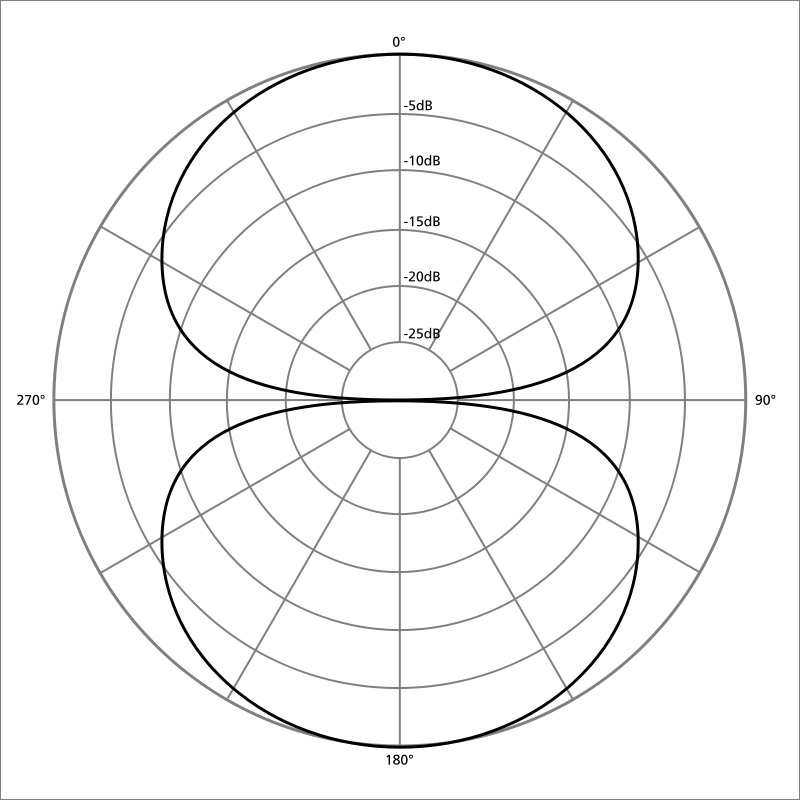

On the other hand, omnidirectional polar patterned microphones pick up sounds equally from any direction. With a circular pattern, they don’t focus intensely on one sound source but rather reproduce the whole ambiance of a room.
Noise Pads
It’s probable that you’ve come across the term “noise pads” on your search for a microphone to record acoustic guitar. These pads are basically switchable options built into the microphone's body which allow you to customize the focus of the mic by removing or boosting the presence of certain frequencies.
The term pad is an acronym for “passive attenuation device”. It works much like an EQ; by reducing signal levels before the amplification process begins, therefore preventing the microphone circuitry from overloading.
Reliability
The reliability of a microphone is dependent on a few factors. Firstly, the materials and methods used for its construction will massively impact how durable and reliable a microphone is. Most high-quality options are housed in a durable metal and the electronics are protected by grills or mesh shields.
A great way to ensure reliability when purchasing your microphone for acoustic guitar is to check the history of the manufacturer. For example, Shure has been at the forefront of mic production for decades, so you can be confident in the reliability of their products.
Acoustic Guitar Micing Tips
The beauty of modern recording is that there are really no rules to follow. Many of the most interesting recording techniques are born out of accidentally positioning a microphone somewhere or using one piece of equipment to do what it isn’t necessarily intended to.
If you want a classic, warm sound when recording acoustic guitar, there are some micing tips that could be helpful. If you place your microphone toward the neck of the acoustic guitar, you will get more focus on the bass end and less focus on the human aspects of your playing.
If, for example, you play melodic finger-picked acoustic guitar and want to capture the fine details of your playing, the mic should be positioned closer to the sound hole in order to capture the natural resonance and the attack from your fingers.
Final Verdict
To summarize, if I had to choose the best microphone for recording acoustic guitar, I’d have to go with the Shure SM81. Every time I’ve used this microphone, for many purposes, it amazes me with the precise sound it produces. For acoustic guitar, the accuracy of the SM81 makes it a great option.
If you are on more of a budget, you can’t go wrong with the classic Shure SM57. This microphone is a staple of recording studios worldwide and it will never let you down.
You might be also interested in checking out our guide to the Best Vocal Mics for Home Studio
Last update on 2026-09-20 / Affiliate links / Images from Amazon Product Advertising API


